
This company has no active jobs
0 Review
Rate This Company ( No reviews yet )

best private jet charter
(0)About Us
The Rise of Private Jet Flight: A Case Research on Luxury And Effectivity
In recent years, private jet flight has transformed from a luxury reserved for the elite right into a more accessible mode of transportation for business executives, celebrities, and even families in search of comfort and efficiency. This case research explores the evolution of private jet travel, the components driving its growth, the environmental implications, and the way forward for this trade.
Historic Context
Private aviation has its roots in the early twentieth century, with the first private aircraft being used for private transport in the 1920s. However, it was not until the 1960s, with the arrival of enterprise jets just like the Learjet 23, that private flying gained significant popularity. The deregulation of the airline trade within the 1970s further propelled the expansion of private aviation, allowing for the emergence of charter providers and fractional possession models.
Elements Driving Progress
- Increased Demand for Flexibility: Fashionable enterprise leaders require flexibility of their journey schedules. In contrast to commercial flights, private jets enable for on-demand journey, enabling executives to succeed in multiple destinations in a single day with out the trouble of layovers or lengthy safety traces.
- Time Effectivity: In line with a examine conducted by the Nationwide Business Aviation Association (NBAA), private jet passengers can save as much as 50% of their travel time in comparison with business flights. This efficiency is particularly priceless for time-delicate enterprise deals and negotiations.
- Enhanced Privateness and Comfort: The corporate world increasingly values discretion. Private jets provide a secure setting for sensitive discussions and conferences, away from the general public eye. Moreover, the comfort and luxury related to private jets make them an appealing selection for top-internet-value individuals.
- Technological Advancements: Innovations in aviation technology have led to the event of more fuel-environment friendly jets, improved safety options, and enhanced in-flight connectivity. These advancements have made private jets extra interesting and viable for a broader viewers.
- Emergence of Jet Cards and Fractional Possession: The introduction of jet cards and fractional possession has democratized entry to private aviation. Jet cards enable customers to buy flight hours in advance, while fractional ownership permits individuals to purchase a share of a jet, lowering the financial burden of full possession.
Market Analysis
The private jet market has seen exponential development over the previous decade. In keeping with a report by Research and Markets, the global private jet market was valued at approximately $24.5 billion in 2020 and is projected to achieve $37.Eight billion by 2026, rising at a CAGR of 7.6%. If you treasured this article so you would like to obtain more info concerning privatejetscharter.review please visit our own web page. Key players available in the market include NetJets, Flexjet, and VistaJet, every providing unique providers to cater to various customer needs.
The COVID-19 pandemic further accelerated the demand for private jet travel. With well being issues surrounding business flights, many travelers turned to private jets as a safer alternative. This shift has led to a surge in charter flights, with corporations reporting an increase in bookings and inquiries.
Environmental Considerations
Whereas private jets provide quite a few advantages, additionally they elevate significant environmental concerns. Private aviation is commonly criticized for its carbon footprint, as private jets emit significantly more greenhouse gases per passenger than business airways. In response to a research by the International Council on Clean Transportation, private jets can produce up to 14 instances extra emissions per passenger than commercial flights.
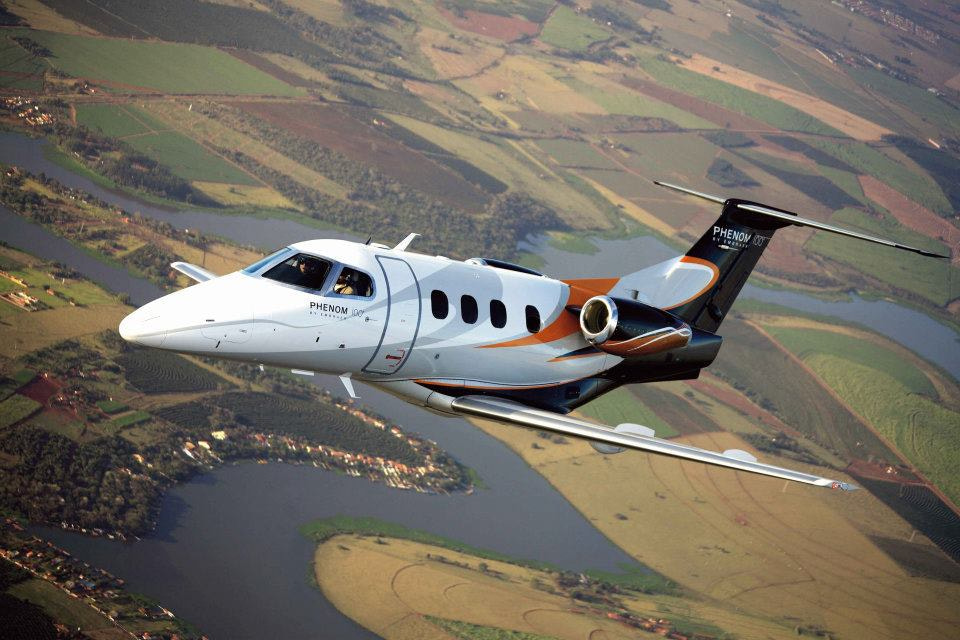
In response to growing environmental awareness, many private jet companies are investing in sustainable aviation fuel (SAF) and exploring electric and hybrid aircraft applied sciences. The industry can also be considering carbon offset applications to mitigate its environmental influence. For example, firms like JetBlue and Delta Airlines have committed to offsetting their carbon emissions, setting a precedent for private aviation.

Case Study: NetJets
NetJets, a subsidiary of Berkshire Hathaway, is one of the most important gamers in the private aviation sector, with a fleet of over seven hundred aircraft. The corporate operates on a fractional possession mannequin, allowing purchasers to buy shares in a jet and access the aircraft when wanted. This mannequin has confirmed profitable, because it combines the advantages of private jet travel with diminished costs.
NetJets has also taken vital steps in the direction of sustainability. The corporate announced its commitment to achieving a web-zero carbon footprint by 2050. It has invested in SAF and partnered with numerous organizations to advertise sustainable practices within the aviation trade. This dedication not only enhances NetJets’ brand reputation but also aligns with the rising demand for environmentally responsible journey choices.
The future of Private Jet Flight
Because the private aviation trade continues to evolve, several trends are likely to form its future:
- Increased Use of Expertise: The integration of artificial intelligence and data analytics will streamline operations, enhance customer experience, and enhance safety measures. Corporations are likely to put money into apps that allow users to guide flights, observe aircraft availability, and manage their travel itineraries seamlessly.
- Sustainability Initiatives: The push for greener aviation will lead to more investments in sustainable technologies, together with electric and hybrid aircraft. The business will seemingly see an increase in the usage of SAF and carbon offset packages as clients demand extra environmentally friendly choices.
- Altering Buyer Demographics: The standard private jet customer is evolving. Younger entrepreneurs and tech executives are getting into the market, looking for flexible journey options that align with their way of life. This shift will drive innovation and the development of latest service offerings tailored to a youthful clientele.
- Growth of Charter Services: The demand for charter flights is expected to rise, as more travelers search cost-effective options with out the dedication of possession. Corporations will probably expand their fleets and providers to accommodate this growing market phase.
Conclusion
Private jet flight has come a great distance from its origins as a luxurious service for the elite. As we speak, it represents a blend of convenience, effectivity, and exclusivity that appeals to a variety of travelers. Because the industry navigates environmental challenges and embraces technological advancements, the future of private aviation appears to be like promising. With companies like NetJets leading the best way in sustainability and innovation, private jet travel is poised to remain an important part of fashionable transportation.