
This company has no active jobs
0 Review
Rate This Company ( No reviews yet )

Composite Door Frame Repair
(0)About Us
17 Signs You Are Working With Entry Door Restoration
The Comprehensive Guide to Entry Door Restoration: Reviving Your Home’s First Impressions
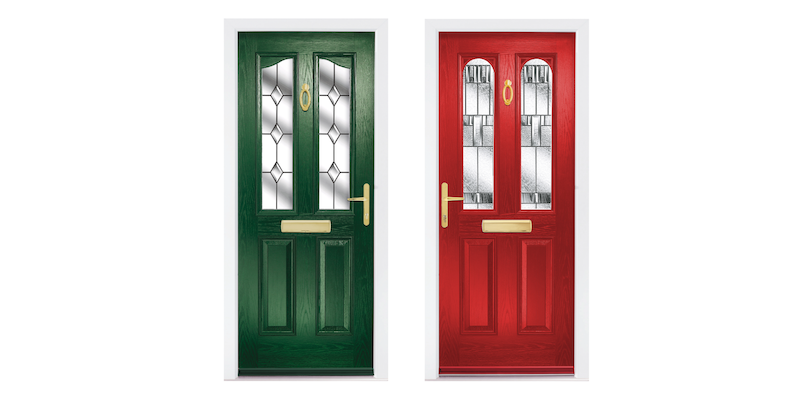
Entry doors play a critical function in the aesthetics and security of a home. They are not simply a barrier versus the aspects or a point of entry; they are the centerpiece of your home’s exterior, frequently setting the tone for visitors. In time, nevertheless, wear and tear, weather, and other factors can lessen the appeal and performance of an entry door. Thankfully, entry fix composite door restoration is an efficient service that can extend the life of this vital component of your home while improving its visual appeal.
Comprehending Entry Door Restoration
Entry door restoration incorporates numerous procedures that intend to repair composite door, refinish, and invigorate a door. While it may seem like a complicated job, bring back an entry door can be a gratifying home improvement project for house owners who are eager on maintaining their residence’s beauty and stability.
Benefits of Entry Door Restoration
-
Cost-Effectiveness: Restoring a door is often significantly less costly than replacing it. Numerous homeowners can conserve a considerable amount by investing in restoration rather than brand-new doors.
-
Boosted Curb Appeal: A brought back entry door can substantially enhance the exterior look of a home, resulting in an increased property worth and improved impressions.
-
Eco-Friendly: Restoration helps in lowering waste. Instead of discarding a practical door, restoration adds to a more sustainable method by prolonging its lifespan.
-
Increased Security: Often, older doors might have ended up being weak or compromised. Restoration can reinforce the door’s strength, improving the security of the home.

-
Customization: Restoration permits homeowners to tailor their entry door, from color to finish, aligning it more closely with their personal taste or architectural style.
The Restoration Process: Step by Step
The restoration of an entry door usually involves several key steps. These can differ based upon the door’s condition and product, however the procedure typically includes:
1. Evaluation and Preparation
- Evaluation: Evaluate the door for damage, including signs of rot, cracks, peeling paint, or deterioration.
- Removal: Take off any hardware such as doorknobs, hinges, or locks.
2. Cleaning up
- Use a mix of soap and water to clean up the door www.repairmywindowsanddoors.co.uk thoroughly.
- For wooden doors, consider utilizing a wood cleaner to get rid of old surfaces.
3. Fixing Damages
- Wooden Doors: Fill in cracks and holes with wood filler and sand the area smooth.
- Metal Doors: For rusted metal doors, sanding or using a rust-inhibiting guide might be necessary.
4. Sanding
- Sand the entire door to produce a smooth surface for refinishing.
- Use fine-grit sandpaper for ending up touches.
5. Refinishing
- *Staining: For wooden doors, use stain to improve the natural grain.
- *Painting: For both wooden and metal doors, apply a top quality exterior paint or finish.
6. Reinstallation of Hardware
- After the paint has actually dried, thoroughly reattach the doorknobs, locks, and hinges.
7. Sealing
- Apply a sealant for wood doors to secure from moisture and UV rays. Metal doors may need a rustproof sealant.
Tips for Successful Entry Door Restoration
-
Select Quality Materials: Whether it’s discolorations, paints, or sealants, picking premium items can offer better outcomes and extend the life expectancy of the restoration.
-
Operate In Appropriate Conditions: Ensure you’re working in conditions that are not too humid, rainy, or cold to enable correct adhesion and drying.
-
Preserve Regular Care: After restoration, regular maintenance such as cleaning and resealing can lengthen the longevity of the door.
Often Asked Questions (FAQs)
Q1: How often should an entry door be restored?
A: The frequency of restoration depends on direct exposure to components, door product, and maintenance. Usually, wood doors may need restoration every 5-10 years, while metal doors can last longer if preserved appropriately.
Q2: Can I restore a door myself, or should I work with a professional?
A: Many homeowners can successfully restore a composite door hinge repair themselves if they have fundamental DIY skills. However, for substantial repairs or if you’re unpredictable, working with a professional is suggested.
Q3: What are the indications that my door requires restoration?
A: Common signs consist of peeling paint, cracks, considerable wear or water damage, or problem in opening and closing the door.
Q4: Is it worth bring back a door that is older?
A: If the door is structurally sound, restoration can be an outstanding option. Nevertheless, if the door reveals considerable damages or rot, replacement may be preferable.
Q5: How can I make sure the finish of my brought back door lasts?
A: Regular maintenance such as cleansing, resealing, and repainting when required will help lengthen the life expectancy of the finish.
Entry door restoration is a necessary aspect of home maintenance that can yield outstanding results. By breathing new life into this crucial entry point, homeowners not just improve the visual appeal and performance of their homes but also add to environmental sustainability and a sense of personal fulfillment. Armed with the ideal understanding and ideas, embarking on an entry door restoration project can be an enriching and transformative experience.